
Women on Survival Expeditions: The Real Thing
Around a third of guests on Desert Island Survival expeditions are women, and the proportion is growing. Women join our expeditions regularly, often solo. The physical side of the trip matters less than people think. The psychological side is where the real work happens. Several of our lead instructors are women, including Naomi Allsworth and Jade Bielski, which means every female guest has someone running the expedition who understands the specifics without needing to be briefed on them.
Last November, in the Maldives, I watched a woman called Daisy catch her first fish.
She was a vegan. She’d told me on day one she had never killed an animal in her life and wasn’t sure she could. She’d joined the trip because she wanted to eat what she caught, at least once, and understand where food actually comes from. That was her line in the sand.
By day four she was standing on coral with a hand line, focused. She caught the fish. She killed it herself, carefully, with guidance. Then she sat on the sand for about fifteen minutes without saying anything.
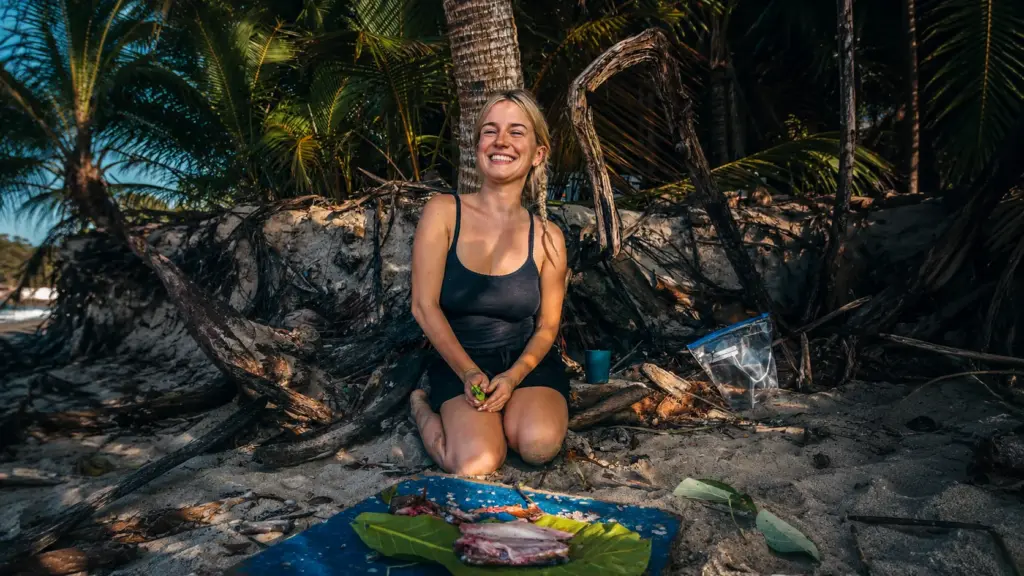
When the rest of the group started talking afterwards, it turned out she’d been quietly leading half the things we’d been doing. Reading the tide. Sorting the fish drying line. Noticing when someone had gone too quiet. Nobody had clocked it, least of all her.
That moment on the sand stays with me.
Why I’m writing this
Because I’ve had a version of the same conversation a dozen times on enquiry calls.
It usually goes like this. “I’m interested. But I’m not sure I’m fit enough. And I’m worried about being the only woman on the trip. And honestly, some of the imagery online looks quite male.” All of that is fair.
So this piece is for you, if any of it sounds familiar. I’ll stop talking relatively soon and hand most of it over to Naomi Allsworth and Jade Bielski, two of our lead instructors. They run these trips. They know this inside out.
Is a survival expedition actually for women?
Yes. And the reason it’s a yes is quieter than people expect.
The expeditions have a physical side. You walk, you swim, you carry firewood, you sit on the ground, you sleep on the ground, you get hot, you get cold, you get wet. None of it requires being an athlete. You need to be able to look after yourself on your own two feet for ten or so days. That’s it.
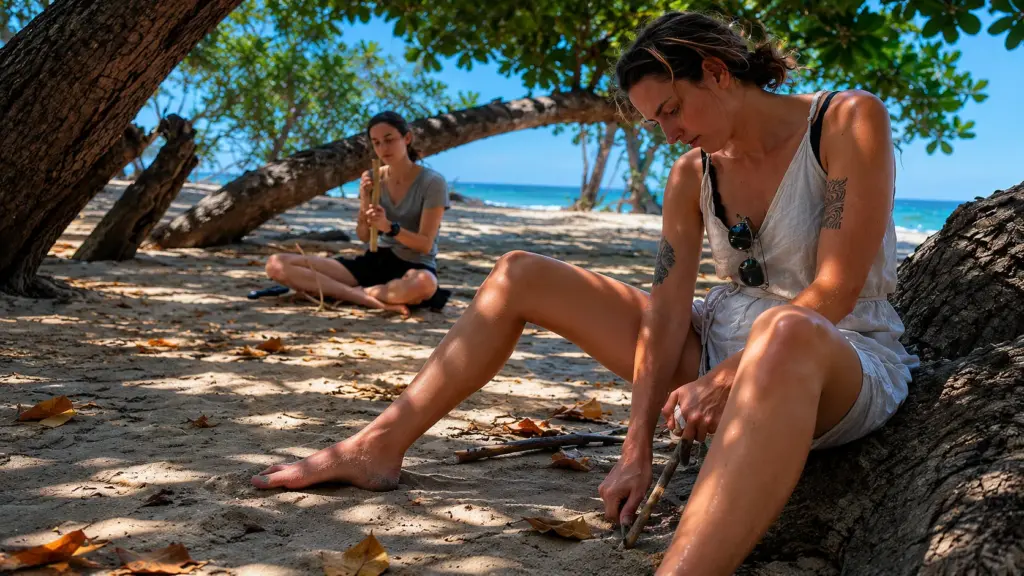
Naomi puts it better than I can.
Being strong doesn’t have to look like aggressive brute force. Intuition, attention to detail, and the ability to endure discomfort with quiet patience are the greatest survival assets. You don’t conquer the environment. You belong in it.
Naomi Allsworth
That matches what I’ve watched on every expedition. The guests who do best are not the ones who turn up fittest. They’re the ones who pay attention.
What does the trip actually look like, day by day?
Every destination is slightly different, but the shape is the same.
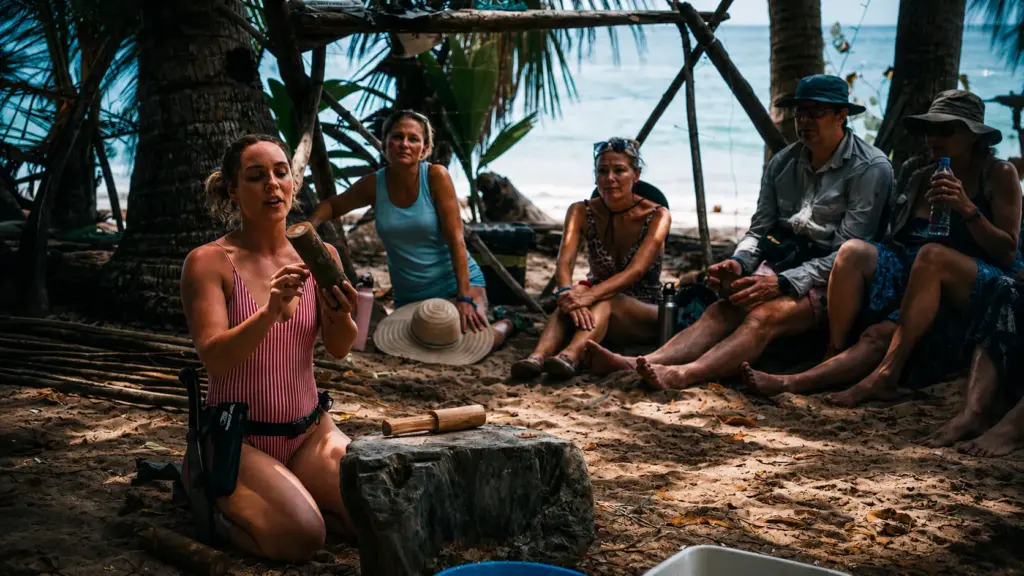
The first few days are training. Fire, shelter, water, food, navigation, the tools. Hands-on, in a small group, with instructors watching. This is where people find their feet. It’s also where Naomi has noticed something specific.
I see it around day two or three. The men sometimes feel pressure to keep up a “knowing it all” facade. The women, generally, lean into the learning with openness. They ask. They fail at the parang. They fail at the fire. They keep going until they nail it. Watching that is one of the most rewarding parts of the job.
Naomi Allsworth
Jade sees the same thing, with an extra layer.
Women tend to settle into the environment more intuitively. They fight it less. They bring a lot more curiosity to the tiny creatures that live on the island, which honestly makes everyone’s trip better.
Jade Bielski
After training comes solo. For a few days you’re on your own stretch of beach with the kit you’ve been given and the skills you’ve learned. Instructors check on you regularly. You’re safe. But you’re on your own, and there’s no phone, no group, no job, no one to perform for.
Then the group comes back together for the final stretch. Celebration, debrief, food, rum if we’re in the Pacific, aquavit if we’re in Sweden, a proper long sleep, long conversations. By that point the group is tight.
What happens on the solo, psychologically?
This is the part that surprises people, and it’s the part that matters most.
On solo, you don’t have the usual props you use to tell yourself who you are. No notifications. No deadlines. No one looking. The first day or two can feel uncomfortable for that reason. By the third day it usually shifts.
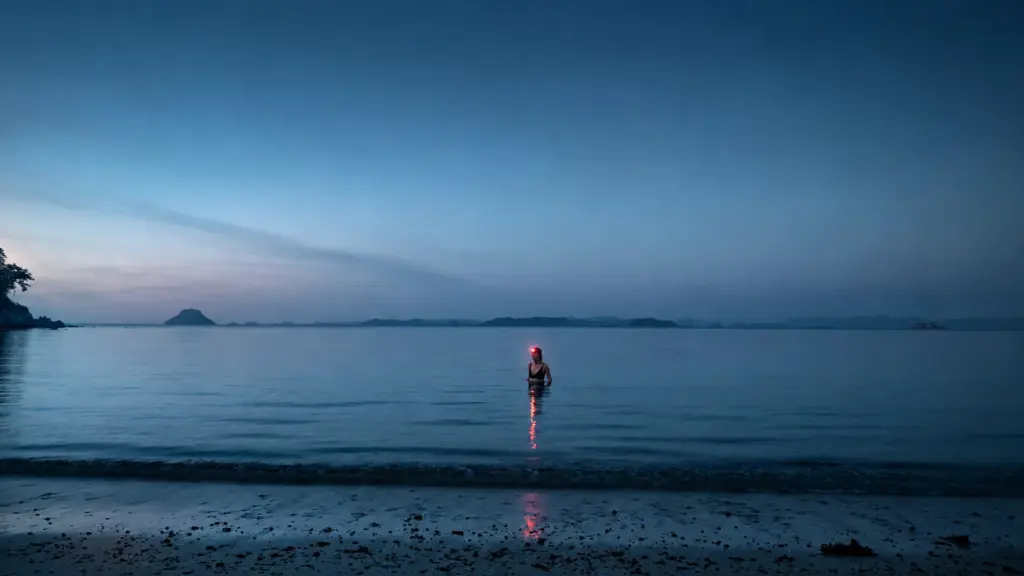
What comes after that shift is what Naomi calls calm, positive mental resilience, and she says it’s often world-class in the women she instructs. I’d agree. There’s also what she calls a “mother nature” instinct when the group is back together. An eye for structure around camp, for morale, for the quiet member of the group who hasn’t spoken in an hour. Not assigned. Just there.
People come home describing it as the shell coming down. I don’t think that’s overstated.
What about safety?
I’ve been running these expeditions for ten years. I’ll give you the honest version rather than the marketing line.
Every instructor on our team is a certified Wilderness First Responder. Every destination we operate in is handpicked for calm waters, no dangerous wildlife, and a clear evacuation plan. Satellite comms are on every trip. That’s the baseline, and it’s non-negotiable.
The honest list of what’s most likely to go wrong on a trip isn’t predator-based or weather-based. It’s cutting implements, trips, slips, and falls. Boring, preventable, and the thing we train hardest for. The first days are slow, close-taught, and supervised for exactly that reason.
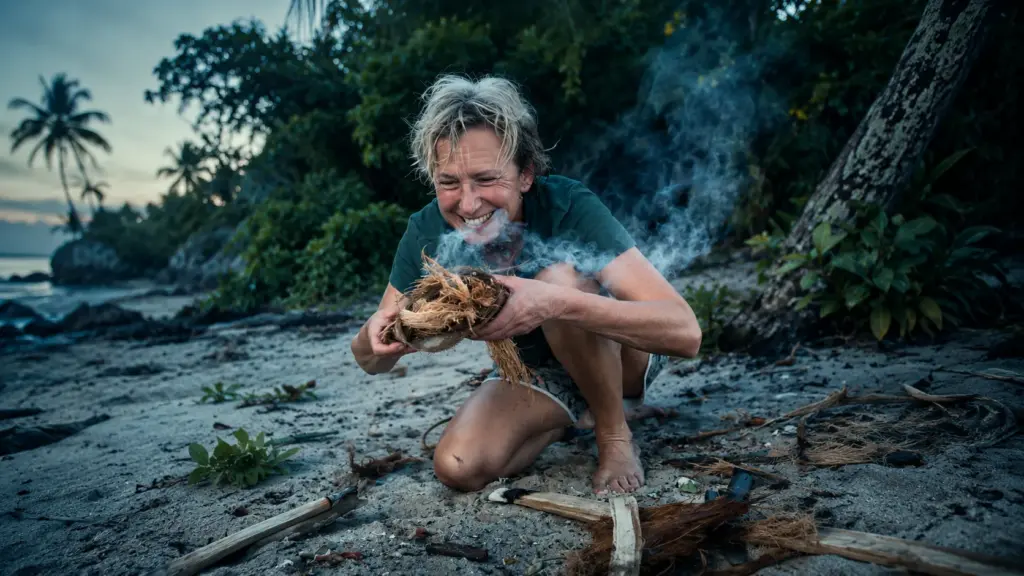
We call it invisible safety. The plan, the kit, the certifications, the evacuation routes, the comms, all run in the background so you can live the trip without thinking about any of it. The point isn’t to remove risk from what we do. The point is to manage it so carefully you forget it’s there.
On the female-specific side, Naomi has been direct with us.
Every woman should come with a dedicated hygiene kit and a plan for her menstrual cycle on expedition. Period-proof swimwear is worth investing in. And we take time during the trip to talk openly about the physiological impact of the cycle, because hormonal shifts affect energy, temperature regulation, and strength on certain days. That’s not something anyone should have to figure out on their own, on a beach.
Naomi Allsworth
Having women lead those conversations is the point. It’s not a polite add-on. It’s a practical need, and it’s one of the reasons we built the instructor team we have.
Does it matter whether a woman is leading the expedition?
For years, the survival industry has defaulted to male instructors and a certain tone. We’ve gone in the opposite direction, not on principle but on quality.
Naomi and Jade are two of the most capable instructors I’ve ever worked with. That’s the first thing. The second thing is that every female guest on their trips has someone running the expedition who gets the specifics without having to be briefed on them.
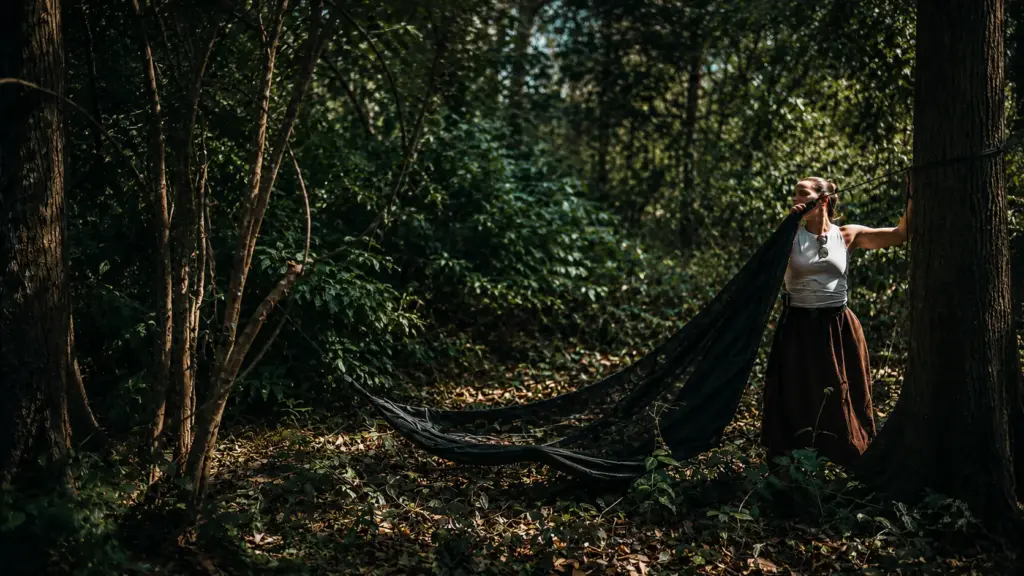
Our male instructors have the soft skills too. They’re not winging it. But having Naomi or Jade in camp changes the texture of the trip for the women on it, and I’ve watched that play out enough times to stop pretending otherwise. The full team is here.
Will I be the only woman on the trip?
Almost never. Around a third of our guests are women, and the proportion is growing. On a lot of departures it’s close to balanced.
This question comes up on almost every enquiry call. Solo travel into a group you don’t know is harder if you’re worried you’ll be the outlier. So we don’t want you to guess.
We can’t promise you a specific ratio on any given departure, but we can tell you exactly who’s already booked before you decide. Ask us. We’ll tell you. And if a trip feels wrong for you, we’ll find you a different one.
Who actually goes on these expeditions?
Not the people you might picture.
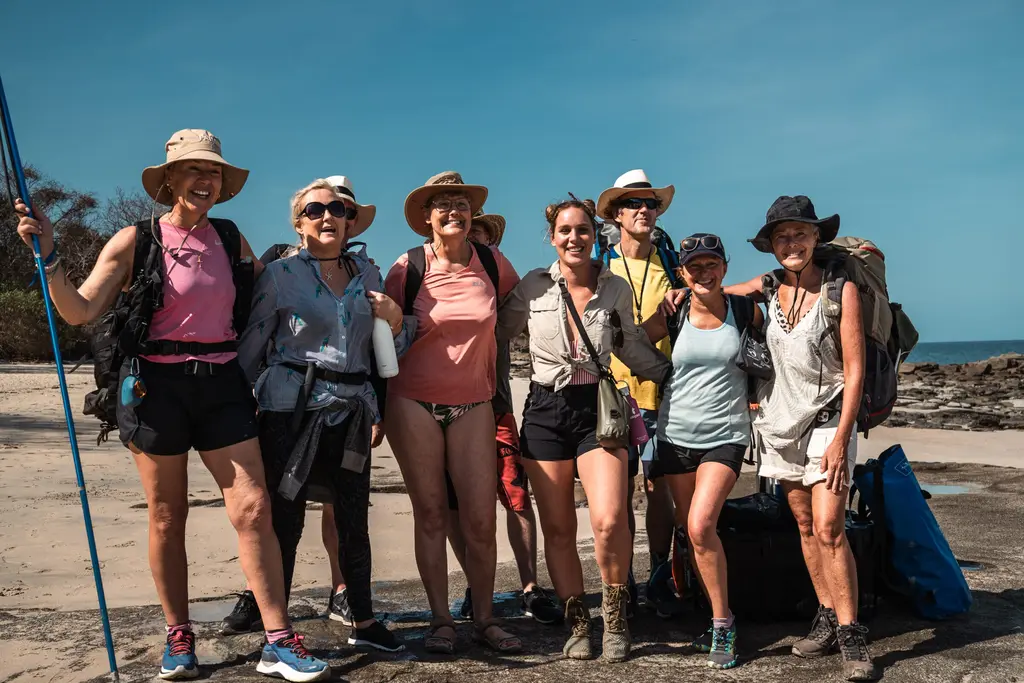
We’ve had founders and nurses, lawyers and photographers, teachers, engineers, therapists, GPs, retired pilots. Some come with a partner. Most come solo. They range from thirties to sixties.
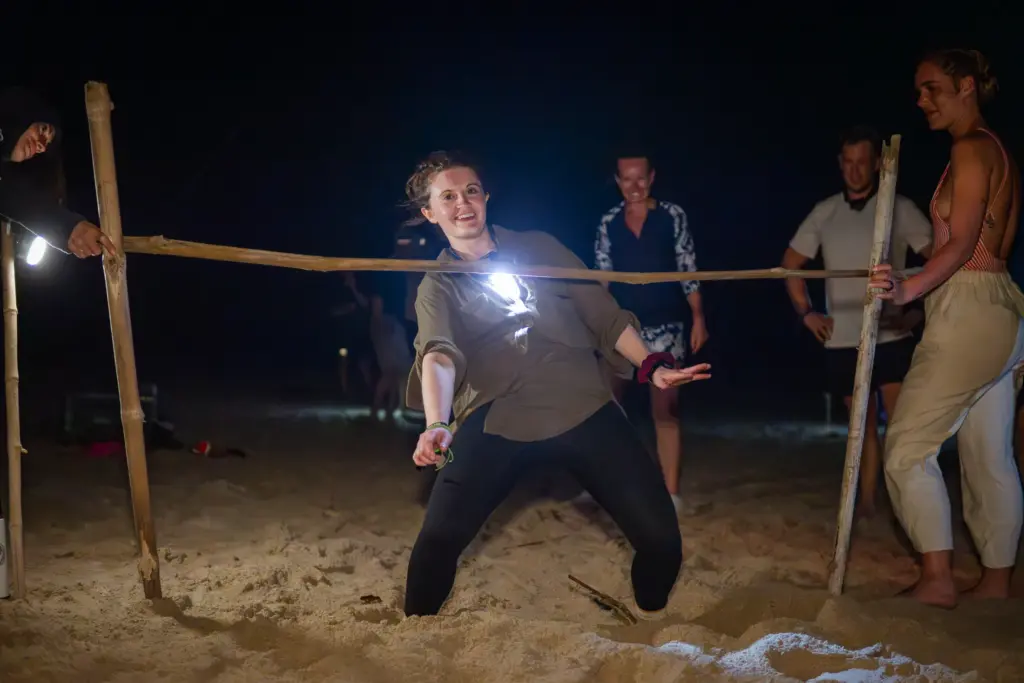
The thing they share isn’t demographic. It’s a particular readiness to stop for a bit. Most of them arrive quietly tired of something. A job that stopped making sense. A life that got predictable. A milestone birthday that made them look up. They don’t tend to be the ones you’d pick out of the crowd as “the survival type,” whatever that’s supposed to look like.
That’s the bit I want you to hold onto. If you’ve read this far, you’re probably already closer to the sort of person who does well on one of these trips than you think.
What kit matters for women specifically?
We send a full pre-departure pack with everything, so you won’t be guessing. A short list of the things Naomi and Jade specifically flag for women:
- A dedicated hygiene kit.
- Period-proof swimwear if you’re heading to one of the water-based trips.
- A really good SPF sun cream. Unglamorous, and it matters.
- A journal. On solo you’ll have more to say than you think, and writing is one of the ways the head empties.
The bit I want you to leave with
I’ll hand over to Jade, then Naomi.
Feeling unsure at the start is normal. It doesn’t mean you’re not cut out for it. It’s part of the process. Nobody knows what they’re doing at the start. You’re far more capable than you think. You just haven’t been put in the right environment to see it yet.
Jade Bielski
You are significantly more capable and mentally resilient than society has led you to believe. You just need the courage to step into the wild to meet that version of yourself.
Naomi Allsworth
That’s the whole thing, really.
What to do next
If you’ve read this far, you’re probably already considering it.
We run expeditions across seven destinations, with trips in Tonga, Panama, the Philippines, the Maldives, Botswana, Tanzania, and Sweden. Some destinations run more than once a year, so dates are usually flexible.
If you want to see which one actually fits you, take the quiz. If you’d rather talk to a woman who’s already been, message us on WhatsApp and we’ll put you straight in touch.
What would you want to know before you came?
Ready to find your adventure?
Find the expedition that fits you, or speak to a woman who has already taken the leap.
Frequently Asked Questions
Fit enough to walk for a few hours, swim short distances, and carry your own kit. You don’t need to be an athlete. For most guests, the psychological side is harder than the physical side.
Yes. Every instructor is a certified Wilderness First Responder. Every destination is chosen for calm waters, no dangerous wildlife, and a clear evacuation plan. The biggest real risk on a trip is cutting implements and simple slips and falls, which is what our training focuses on.
Almost never. Around a third of our guests are women, and the proportion is growing. The mix varies by departure, so ask us before you book and we’ll tell you exactly who’s already confirmed.
Yes. Bring a dedicated hygiene kit and consider period-proof swimwear. We talk openly about how the cycle affects energy, temperature, and strength on different days, so you know what to expect.
Both. Naomi Allsworth and Jade Bielski are among our lead instructors. The male instructors have the soft skills too, but having women leading trips means every female guest has someone running things who understands the specifics without being briefed on them.
Most guests who say that to us beforehand do very well on the trip. Feeling unsure at the start is normal. If you’re genuinely worried, message us on WhatsApp and we’ll walk you through what to expect.